Law

Legal Actions of Spouses: What Decisions Can You Make Alone and When Do You Need Your Spouse’s Consent?

In everyday life, there are many situations where you can act without your spouse’s consent. These include daily matters such as grocery shopping, routine household maintenance, or minor repairs. Such decisions typically involve smaller amounts of money and are intended to ensure the smooth running of the household.
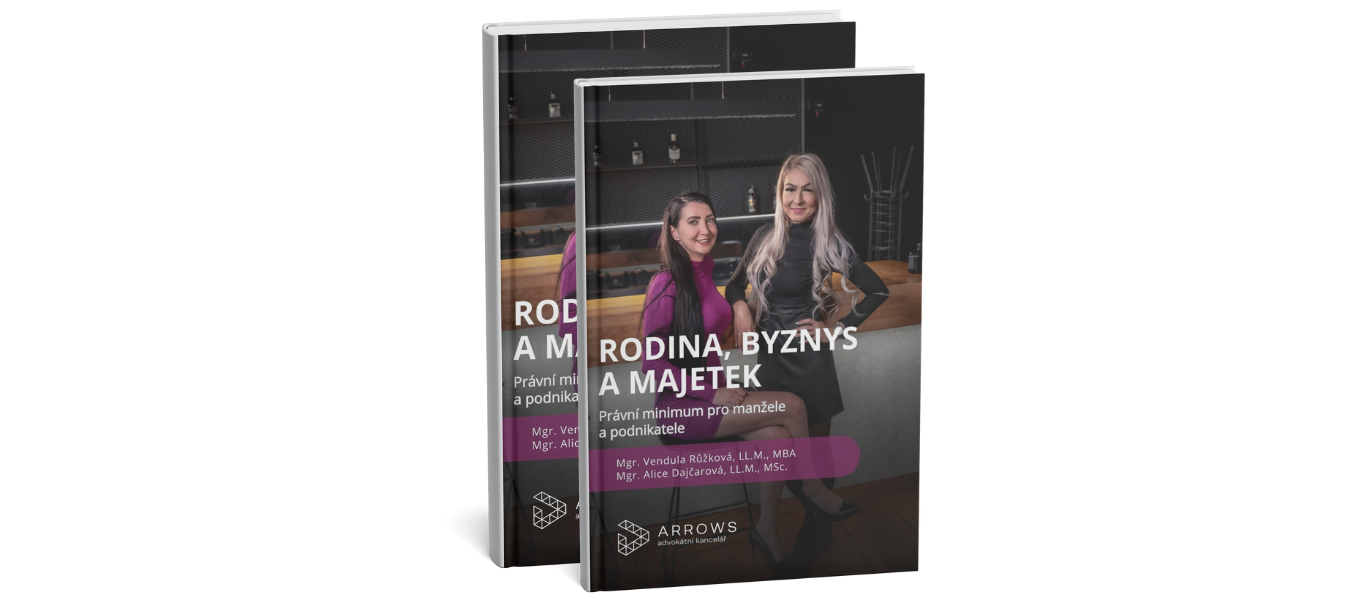
Book cover on legal decisions for spouses and business owners.

When Can You Act Alone?

Example: Imagine you need to repair the kitchen oven or buy a new cabinet for the entryway. In these situations, you can generally make an agreement on your own—assuming the expenses are not significant.

Non-Routine Matters and Significant Decisions

However, when it comes to more serious matters that could have a significant financial or other impact on the family, the consent of both spouses is required. These measures protect spouses from the risk that one might, without the other’s knowledge, make a decision that would have a major impact on shared finances or property, or otherwise adversely affect the family.

Example: Are you planning to take out a loan for a new car or invest a larger amount in property? In such cases, you must act together. Decisions involving larger investments, changes in housing, or similar fundamental issues require the consent of both spouses.

What to Do If You Cannot Reach an Agreement?

Sometimes, spouses may find themselves unable to agree. If one spouse’s refusal threatens the family’s situation, for example, regarding housing or financial stability, the court can intervene. However, court involvement is generally a last resort—it is always better to try to reach an agreement.

Example: If one spouse disagrees with selling a family property that the other wishes to use to finance new housing, it may be necessary to turn to the court, which will assess the spouse’s intentions and their impact on the family situation.

Are you facing a similar situation and unsure whether you need your spouse’s consent? Are you concerned that your spouse is making risky legal decisions that could endanger the family, and don’t know how to prevent it? Contact us.

About the author

Mgr. Alice Dajčarová, LL.M., MSc.

Associate

Alice Dajčarová at ARROWS focuses primarily on all real estate-related matters, from real estate transfers (purchase, donation), establishment/cancellation of easements, resolution of lease relations and disputes arising therefrom, legal assistance in land division, or e.g. disputes between builders and administrative authorities, between builders and owners of neighbouring land, disputes between parties to administrative proceedings, resolution of possible procedures for changing the zoning plan, etc.

Disclaimer:

The information contained in this article is for general informational purposes only and is intended to provide basic orientation on the subject matter in accordance with the legal framework as of 2026. While we strive for maximum accuracy, legislation and its interpretation evolve over time. We are ARROWS Law Firm, an entity registered with the Czech Bar Association (our supervisory authority), and for the maximum protection of our clients we carry professional indemnity insurance with a limit of CZK 400,000,000. To verify the current wording of applicable regulations and their impact on your specific situation, please contact the author of this article or another qualified professional.